Common Stinging Insects That Invade Homes
Local service providers can identify and safely eliminate common stinging insects that invade homes, helping protect your family and prevent future infestations.
Homeowners in the area often encounter common stinging insects that invade homes, especially during the warmer months. These insects can be more than just a nuisance; their presence can pose safety concerns for families, pets, and anyone spending time outdoors around the property. Recognizing the types of stinging insects that tend to seek shelter in homes and understanding their behavior can help property owners take proactive steps to prevent infestations and protect their living spaces. Exploring this topic can also lead to practical solutions, as local service providers offer targeted control options tailored to the specific insects common in the area.
For those dealing with or wanting to prevent these unwelcome guests, connecting with experienced local contractors who specialize in stinging insect control can make a significant difference. These professionals have the knowledge and tools to identify nests, eliminate pests safely, and implement strategies to reduce the risk of future invasions. Keep reading to learn more about the common stinging insects that invade homes and discover how trusted local service providers can help maintain a safe, insect-free environment.
- Common stinging insects that invade homes - homeowners noticing nests or increased insect activity may seek the expertise of local contractors to safely remove and prevent future infestations.
- Hornets and paper wasps - when these insects build nests near or inside the home, local service providers can handle removal and recommend strategies to deter re-invasion.
- Yellow jackets - during late summer and fall, these aggressive insects often invade wall cavities or eaves, prompting local pros to perform targeted treatments.
- Mud daubers - if mud dauber nests are found in hidden or hard-to-reach areas, local contractors can remove nests and advise on sealing entry points.
- Baldfaced hornets - when large, aggressive nests appear around the property, local service providers can perform safe removal and provide ongoing prevention solutions.
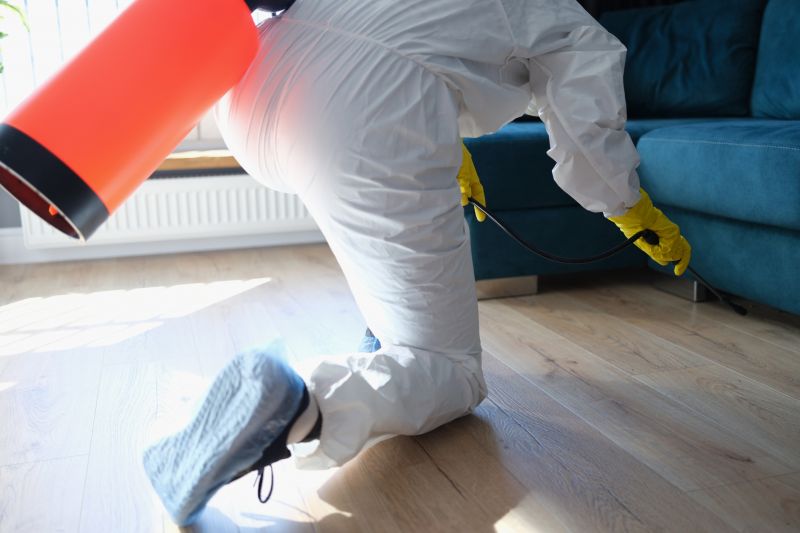
When people search for information about common stinging insects that invade homes, they are often trying to identify what types of insects might be nesting nearby or inside their property. These searches usually stem from concerns about safety, especially if someone in the household has allergies to insect stings. Homeowners may also be looking for ways to prevent infestations or seek solutions to eliminate insects that have already become a problem. Understanding which insects are most likely to invade residential spaces helps clarify the nature of the issue and guides homeowners toward effective control strategies.
This topic is closely related to problems involving unwanted insect colonies and plans to eliminate or manage these pests. Stinging insects such as wasps, hornets, and yellow jackets tend to build nests in or around homes, often in hidden or hard-to-reach places. These insects can be aggressive if disturbed, leading to painful stings and potential health risks. Homeowners may be exploring options for professional removal or prevention, especially if nests are located near entry points or in areas where people spend a lot of time. Local service providers that specialize in stinging insect control can assess the situation, safely remove nests, and implement measures to prevent future invasions.
The types of properties most commonly affected by stinging insects include single-family homes, apartment complexes, and even commercial buildings. Residential properties with yards, gardens, or tree-lined areas are particularly vulnerable, as these insects often use natural structures for nesting. Attics, eaves, wall voids, and sheds are also common nesting sites for wasps and hornets. In some cases, the insects may invade indoor spaces if they find entry points, especially during late summer and early fall when colonies reach their peak. Recognizing the property features that attract these insects helps homeowners understand where to focus control efforts and how local contractors can assist in addressing specific nesting sites.
Understanding the behavior and nesting habits of common stinging insects that invade homes is essential for effective management. Homeowners should be aware that these insects are often attracted to food sources, sugary drinks, or sweet-smelling plants, which can increase the likelihood of encounters. When infestations occur, professional service providers experienced in stinging insect control can evaluate the property, locate nests, and safely remove or treat the insects. Connecting with local contractors who specialize in pest management ensures that the problem is handled properly, reducing risks and preventing future invasions. Proper identification and targeted control are key steps in maintaining a safe, insect-free home environment.
Pest Inspection Services - These projects involve thorough inspections to identify insect nests and entry points, skills that are essential for locating stinging insect colonies inside homes.
Wildlife Exclusion Projects - Exclusion work to seal entry points for larger animals often overlaps with sealing access points used by stinging insects to invade homes.
Yard and Perimeter Pest Control - Applying treatments around the property to reduce insect populations can complement interior stinging insect control efforts.
Nest Removal and Removal Services - Removing nests from eaves, walls, or attics requires similar planning and safety precautions as controlling insects that invade homes.
Insect Barrier Installation - Installing physical barriers around a home can prevent stinging insects from gaining entry, supporting ongoing control efforts.
Home Maintenance and Repair Projects - Fixing cracks, gaps, and damaged screens helps prevent common stinging insects that invade homes from entering through small openings.

When comparing service providers for stinging insects control, it is important to consider their experience with similar projects involving common stinging insects that invade homes. A contractor with a proven track record in handling these specific pests is more likely to understand their behaviors, nesting habits, and effective removal techniques. Asking about their past work or requesting examples of previous projects can help gauge their familiarity with dealing with the types of insects that commonly invade residential spaces, ensuring they are well-equipped to address the unique challenges these pests present.
Clear written expectations are essential when selecting a local contractor for stinging insects control. A reputable service provider should be able to explain the scope of work, including inspection procedures, treatment methods, and any follow-up measures. Having detailed, written information helps homeowners understand what services will be performed and what results to anticipate. This transparency can also prevent misunderstandings, making it easier to evaluate if the contractor’s approach aligns with the homeowner’s needs and concerns regarding common stinging insects that invade homes.
Good communication and reputable references are key factors to consider during the selection process. Service providers who are responsive to inquiries and willing to answer questions demonstrate professionalism and a commitment to customer service. Additionally, seeking references or reviews from previous clients can provide insights into the contractor’s reliability and effectiveness in managing stinging insects. Reliable local pros should be able to provide evidence of their ability to deliver quality results, ensuring homeowners feel confident in their choice when addressing the challenges posed by common stinging insects that invade homes.
Property owners often search for common stinging insects that invade homes when they are planning practical projects around their homes and businesses. Local pros provide Stinging Insects Control services for everyday jobs and straightforward project options.
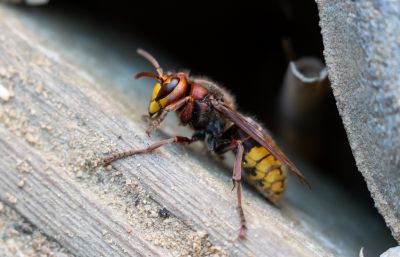
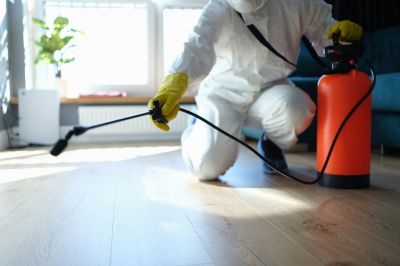
Many property owners in the area find themselves dealing with common stinging insects that invade homes, especially during warmer months. These insects, such as wasps, hornets, and yellow jackets, often build nests in eaves, wall voids, or other hidden spots around the property. When these insects establish colonies close to living spaces, they can become a nuisance or even pose a safety risk to residents and visitors. Homeowners may seek out professional Stinging Insects Control services to safely remove nests and prevent future invasions, ensuring their homes remain comfortable and safe.
In everyday project situations, encountering stinging insects near the home can lead to concerns about bites or stings, especially for families with children or pets. Property owners might look for experienced local contractors who can assess the situation, identify the type of insects involved, and implement effective control measures. Relying on local service providers ensures that the job is handled efficiently and safely, helping to reduce the risk of stings and eliminate persistent insect activity around the property.
What are the common stinging insects that invade homes? Common stinging insects that invade homes include wasps, yellow jackets, paper wasps, and hornets. These insects often seek shelter in wall cavities, eaves, or attics, especially during late summer and fall.
Why do these insects invade homes? They typically invade homes in search of food, water, or shelter. They may build nests in hidden areas around the house, especially if there are gaps or openings that provide easy access.
How can local contractors help control stinging insect infestations? Local contractors can identify the species involved, safely remove nests, and implement targeted treatments to eliminate the insects and prevent future invasions.
Are there safe ways to handle stinging insect problems without risking stings? Yes, professional pest control services use specialized equipment and methods to safely remove nests and treat infestations, reducing the risk of stings for residents.
What steps can homeowners take to prevent future invasions? Homeowners can seal gaps, remove food sources, and eliminate standing water around the property. Consulting local pros for inspection and ongoing prevention strategies is also recommended.
Identify nest locations - property owners can examine their yards and structures to locate potential nests of common stinging insects that invade homes, helping service providers target problem areas.
Seal entry points - blocking gaps and cracks around windows, doors, and eaves can prevent insects from entering the home, making it easier for local contractors to manage infestations.
Remove attractants - eliminating food sources like exposed trash or sweet drinks can reduce insect activity near the home, supporting pest control efforts by local pros.
Schedule inspections and treatments - regular property assessments by service providers can catch early signs of stinging insect activity, enabling prompt removal and control.
If you are thinking about common stinging insects that invade homes for a property, this guide is meant to help you understand this topic, the typical project types, and how different options might fit your plans.
When you are ready, you can use the quote form on this page to share a few details about your project. From there, local pros can review the basics and follow up with options that match what you have in mind.