Where Stinging Insects Commonly Build Nests Around Buildings
Stinging insect control experts can identify and safely remove nests around buildings, preventing stings and ensuring a safer environment.
People living or working near buildings often notice stinging insects building nests in unexpected places. Understanding where stinging insects commonly build nests around buildings can help property owners identify potential trouble spots early on. Whether it's behind siding, under eaves, or in wall voids, these locations provide ideal shelter for nests and can pose safety concerns if left unaddressed. Exploring this topic can be especially practical for those looking to prevent infestations or protect their families and staff from painful stings, making it worthwhile to learn about the common nesting sites.
For property owners in the area, knowing where stinging insects tend to build nests can also inform decisions about property maintenance and pest management. Local service providers who specialize in stinging insect control are equipped to handle nests in these typical locations, helping to reduce risks and maintain a safe environment. Keep reading to discover the most common nesting sites around buildings and how trusted local contractors can assist in managing these insects effectively.
- Wasp and Hornet Nests - when homeowners notice large, papery structures around eaves or window frames, local contractors can safely remove or treat these nests.
- Ground Nests - if stinging insects are seen burrowing near foundations or in landscaped areas, local service providers can evaluate and address these ground nests.
- Attic or Wall Nests - signs of stinging insects inside wall voids or attics may require professional inspection and removal by local pros.
- Tree and Shrub Nests - nests built in nearby trees or shrubs might be handled by local contractors experienced in safe removal.
- Underground Nests - when stinging insects establish nests beneath decks or in soil beds, local experts can perform targeted treatments to eliminate the activity.
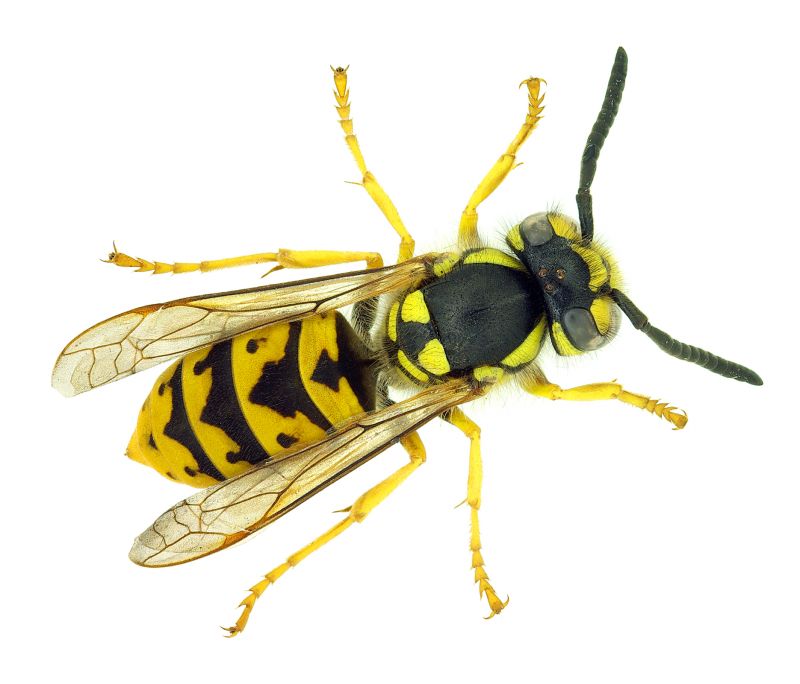
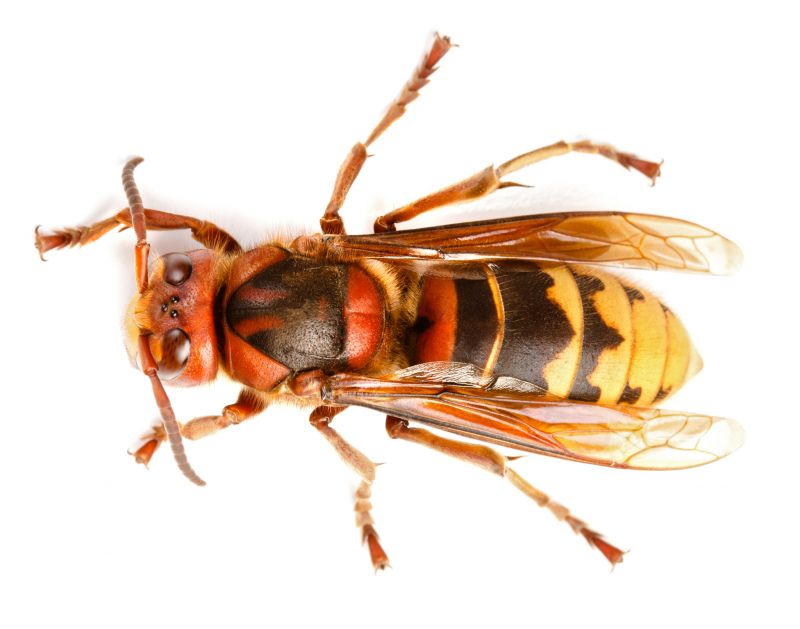
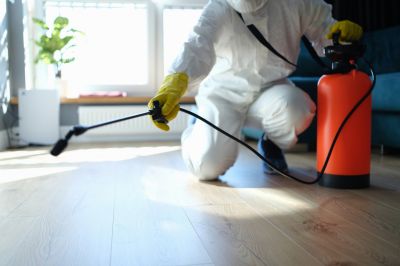
Many homeowners searching for information about where stinging insects commonly build nests around buildings are often concerned about the safety and health risks posed by these pests. These insects, such as wasps, hornets, and yellow jackets, tend to establish colonies in areas close to human activity, which can lead to painful stings and potential allergic reactions. Understanding the typical locations where these insects choose to nest helps property owners identify problem spots early and plan effective removal strategies. Local insect control service providers can assess these common nesting sites and safely handle the removal process, reducing the risk of stings and preventing nests from growing larger.
When exploring where stinging insects usually build their nests around buildings, many people think about the most accessible and sheltered areas. These insects often favor locations that offer protection from weather and predators, such as wall voids, eaves, and roof overhangs. They may also construct nests in hidden corners, under decks, or inside unused structures like sheds or garages. Recognizing these common nesting spots allows property owners to inspect their properties regularly and identify early signs of activity. Local contractors experienced in stinging insect control are equipped to locate and treat these nests, ensuring they are removed safely and effectively.
The types of properties where these nests are most frequently found tend to vary based on the building’s design and environment. Residential homes with overhanging roofs, gutters, or dense shrubbery nearby provide ideal spots for nests to develop. Commercial buildings, especially warehouses and storage facilities, may also be targeted due to their large, sheltered areas. Additionally, outbuildings like barns, garages, and fences are common nesting sites for stinging insects. Homeowners and property managers can benefit from the expertise of local service providers who understand these typical locations and can recommend proactive measures to prevent future nests from forming.
Knowing where stinging insects tend to build nests around buildings helps property owners plan for effective pest management. These insects prioritize locations that offer concealment and easy access to food sources, such as sugary drinks or sweet-smelling plants nearby. Nests often develop in hidden or hard-to-reach areas, making professional removal essential for safety. Local insect control specialists can perform thorough inspections to identify these nesting sites and implement targeted treatments. This approach not only addresses current infestations but also helps reduce the likelihood of new nests forming in the same or similar locations, contributing to a safer, more comfortable property environment.
Birdhouse Installation - Installing birdhouses requires knowledge of building placement and materials, skills that are useful for nest removal and prevention around buildings.
Gutter and Roof Repair - Repairing gutters and roofs involves working in tight spaces and understanding building structures, similar to identifying and accessing insect nests.
Exterior Wall Maintenance - Maintaining and repairing exterior walls helps in understanding building features where insects may nest, aiding in targeted nest removal services.
Soffit and Fascia Work - Working on soffits and fascias involves accessing hidden areas around eaves, which are common nesting sites for stinging insects.
Attic Insulation Services - Installing or repairing attic insulation often requires inspecting concealed areas, similar to locating insect nests within building structures.
Venting and Chimney Services - Installing or repairing vents and chimneys involves working in areas prone to insect nesting, supporting effective nest removal and prevention efforts.
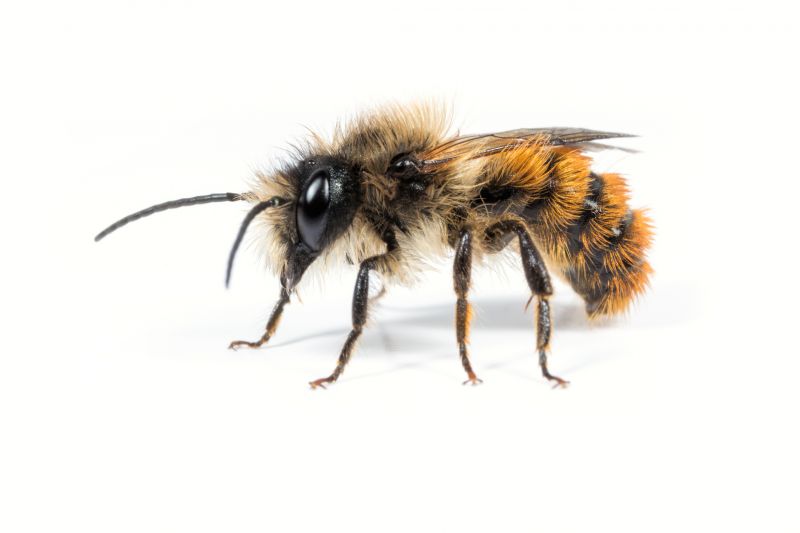
When comparing service providers for stinging insect control around buildings, it is important to consider their experience with similar projects. Homeowners should inquire about how long a contractor has been handling nests in locations like eaves, wall voids, or underground areas, as well as their familiarity with the specific types of stinging insects common in the area. An experienced local contractor will typically have a better understanding of where these insects tend to build nests around buildings and the most effective methods for removal and prevention, leading to more reliable results.
Clear written expectations are essential when choosing a contractor for stinging insect control services. Homeowners should seek detailed descriptions of the scope of work, including inspection procedures, treatment methods, and follow-up options. Having this information in writing helps ensure both parties understand what will be done and can prevent misunderstandings. It also provides a basis for assessing the professionalism of the service provider, as clear communication and transparency are indicators of a reputable contractor.
Reputable references and good communication are key factors to consider during the selection process. Homeowners can ask service providers for references from previous clients who had similar nests around buildings, especially in locations like attics, soffits, or around building foundations. Additionally, a contractor who maintains open, responsive communication is more likely to provide a smooth experience, answer questions thoroughly, and keep homeowners informed throughout the process. These qualities contribute to confidence in choosing a service provider capable of effectively managing stinging insect nests around buildings.
Property owners often search for where stinging insects commonly build nests around buildings when they are planning practical projects around their homes and businesses. Local pros provide Stinging Insect Control services for everyday jobs and straightforward project options.
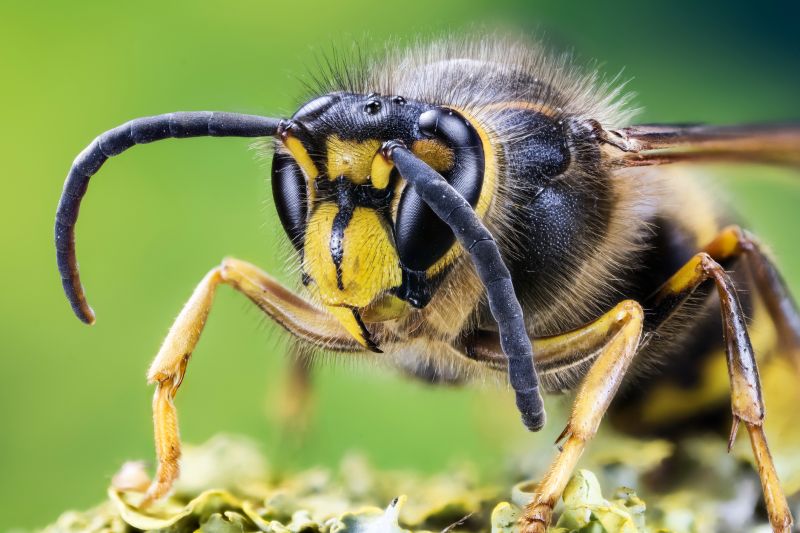
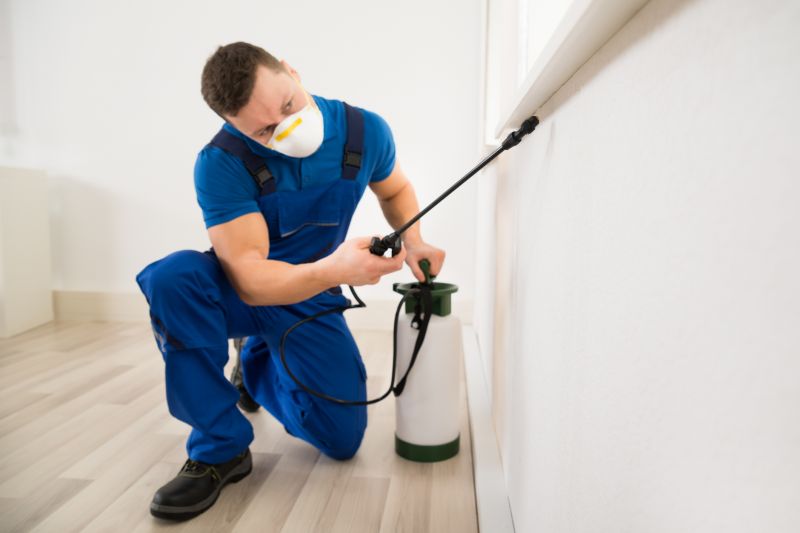
Many stinging insects, such as paper wasps, yellow jackets, and hornets, tend to build nests in areas around buildings that offer shelter and easy access. Common locations include eaves, soffits, and overhangs, where the insects can remain hidden while establishing their colonies. Other frequent nesting spots include wall voids, shrubbery close to structures, and beneath decks or porches. Recognizing these typical nesting sites can help property owners identify potential problems early and understand why certain areas around their property are more prone to insect activity.
Property owners in the area often seek the help of local contractors to handle stinging insect nests in these common locations. Professional pest control services can safely and effectively remove nests from hard-to-reach spots, reducing the risk of stings and preventing future infestations. By working with experienced service providers, property owners can ensure that nests are managed properly, especially in areas where stinging insects are most likely to build around buildings.
Where do stinging insects commonly build nests around buildings? Stinging insects often build nests in hidden areas such as wall voids, eaves, soffits, and behind siding. Local contractors can identify these common nesting spots and safely remove or treat them.
Are there specific parts of a building where nests are more likely to be found? Yes, nests are frequently found in sheltered locations like roof overhangs, gutters, window frames, and around outdoor lights. Local insect control services can target these areas to prevent infestations.
Why do stinging insects choose certain building areas for nests? They prefer areas that offer protection from weather and predators, such as cavities, gaps, or sheltered overhangs. Professionals can inspect these spots to locate and eliminate nests effectively.
Can stinging insects build nests near human activity areas? Yes, they often build nests near entrances, patios, or garden structures where they are less likely to be disturbed. Local pros can help manage and remove nests in these accessible locations.
How can a professional help prevent nests from forming around buildings? Local insect control specialists can assess vulnerable areas, remove existing nests, and implement preventative measures to reduce the likelihood of future nesting around structures.
Identify common nesting spots - property owners can observe areas like eaves, soffits, and window frames to spot potential nesting sites where stinging insects build nests around buildings, enabling targeted inspections by service providers.
Inspect sheltered areas regularly - checking around porches, garages, and shrubbery helps detect early signs of nest development, allowing local contractors to address issues before nests become large or problematic.
Maintain yard and building cleanliness - removing debris, wood piles, and overgrown vegetation reduces potential nesting sites, making it easier for service providers to identify and treat nests in common areas.
Schedule routine pest inspections - regular visits from local pros can help monitor areas prone to nesting and provide timely removal or prevention services around building structures.
If you are thinking about where stinging insects commonly build nests around buildings for a property, this guide is meant to help you understand this topic, the typical project types, and how different options might fit your plans.
When you are ready, you can use the quote form on this page to share a few details about your project. From there, local pros can review the basics and follow up with options that match what you have in mind.